Newsletter Subscribe
Enter your email address below and subscribe to our newsletter


 ByJohn A
Missing teeth can affect more than just your appearance. They can make eating difficult, influence your speech, and affect your confidence in everyday situations. While dentures and bridges are common tooth replacement options, dental implants offer a durable approach designed to replace missing teeth while supporting natural-looking results.
For people considering Dental Implants in Dallas Texas, understanding the potential benefits, treatment process and factors that influence suitability can make it easier to have an informed discussion with a qualified dental professional.
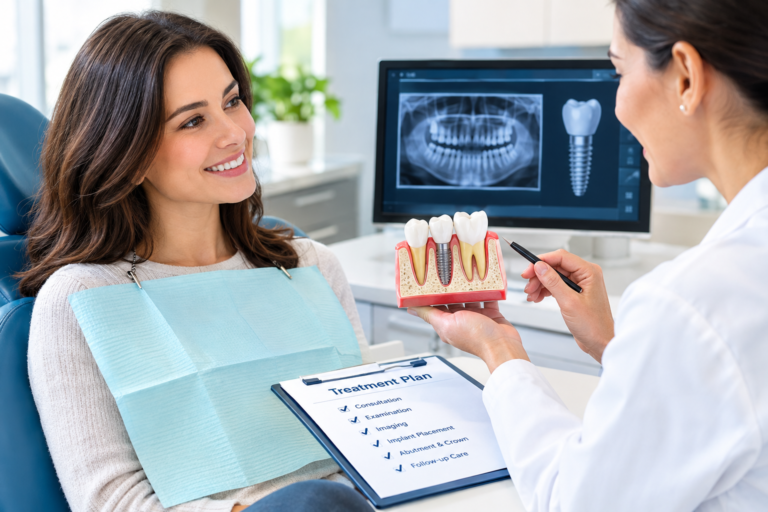
Dental implants are tooth replacement devices designed to replace the root portion of a missing tooth. A typical implant treatment involves a small implant fixture placed into the jawbone, followed by an abutment and dental crown or another suitable restoration.
The implant gradually integrates with the surrounding bone through a process called osseointegration. Once healing and integration have progressed sufficiently, the final restoration can be attached.
Unlike traditional dentures, implants are designed to provide support from within the jaw rather than relying primarily on adhesives or neighbouring teeth.
See also: Professional Pergola Installation Services: What Homeowners Need to Know
Dental implants can offer several advantages for suitable candidates. However, the benefits can vary depending on oral health, bone condition, the number of missing teeth and the individual’s overall circumstances.
One of the main advantages of implants is stability. Because the implant is positioned within the jawbone, it can provide a firm foundation for a replacement tooth.
This may make everyday activities such as eating and speaking more comfortable compared with removable restorations that can shift during use.
Dental implants are generally restored with crowns, bridges or dentures designed to complement the patient’s existing teeth.
The restoration can be shaped and coloured to create a natural appearance. When planned carefully, the replacement tooth can blend with the surrounding smile.
For individuals researching Dental Implants in Dallas Texas, discussing the desired appearance with a dental professional can help determine the most appropriate restoration.
Missing teeth can make certain foods difficult to chew. A stable implant-supported restoration can help restore chewing function.
Patients may be able to enjoy a broader range of foods once treatment has been completed and their dentist confirms that the restoration can be used normally.
It is still important to follow post-treatment instructions, particularly during the healing period.
When a natural tooth is lost, the jawbone in that area may gradually lose volume because it no longer receives the same stimulation from the tooth root.
An implant placed in the jaw can provide stimulation to the surrounding bone. This is one reason implants differ from replacement options that sit above the gum without replacing the root.
Bone preservation can be an important consideration when planning long-term tooth replacement.
Traditional dental bridges often require preparation of supporting teeth beside the missing tooth.
An implant-supported replacement can sometimes avoid this requirement because the implant provides its own support. Whether this is possible depends on the individual’s dental condition and treatment plan.
A dental examination is necessary to determine which approach is appropriate.
Implant restorations require regular oral hygiene and professional dental care, just like natural teeth.
Good maintenance can include:
Although the implant itself cannot develop tooth decay, the surrounding gums and natural teeth still require proper care.
Dental implants may be considered for people who have lost one or more teeth and want a fixed replacement option. However, not everyone is immediately suitable for implant treatment.
A dental professional may assess factors such as:
Healthy gums and sufficient jawbone are important considerations. Certain medical conditions, medications or lifestyle factors may also affect healing and treatment planning.
Adequate bone is generally needed to support an implant. If there has been significant bone loss, additional procedures such as bone grafting may sometimes be considered before implant placement.
Long-term maintenance is essential. Patients need to be prepared to maintain good oral hygiene and attend recommended follow-up appointments.

The implant journey typically involves several stages rather than being completed in a single appointment.
The dentist evaluates the teeth, gums and jawbone. Imaging may be used to assess bone structure and plan implant placement.
The implant fixture is surgically positioned in the jawbone. A healing period then allows the implant to integrate with the surrounding bone.
After appropriate healing, an abutment and custom-made restoration can be placed. The final result is designed to restore appearance and function.
The overall timeline varies from patient to patient, particularly when additional procedures are required.
Choosing an implant-based solution involves more than considering appearance. Patients should understand the complete treatment plan, expected healing period and ongoing maintenance requirements.
Before proceeding with Dental Implants in Dallas Texas, it can be useful to discuss:
Having these questions answered can help you understand what the treatment involves and what outcomes may reasonably be expected.
Every patient’s dental needs are different. An implant solution that works well for one person may not be suitable for another.
A comprehensive evaluation allows the dental professional to consider the condition of the mouth, available bone, bite, surrounding teeth and overall treatment objectives. It also provides an opportunity to discuss alternatives if implants are not appropriate.
For anyone considering Dental Implants in Dallas Texas, a personalised consultation is an important first step towards determining whether implant treatment is suitable.
Dental implants can provide a stable, natural-looking solution for people dealing with missing teeth. Potential benefits include improved stability, restored chewing function, support for jawbone preservation and the ability to replace teeth without relying on healthy neighbouring teeth for support.
However, successful treatment depends on careful planning, suitable oral health and appropriate aftercare. If you are considering Dental Implants in Dallas Texas, speak with a qualified dental professional to assess your individual needs and understand the available treatment options.