Newsletter Subscribe
Enter your email address below and subscribe to our newsletter

 ByJohn A
Natural light is becoming a central part of modern home design, with homeowners looking for practical ways to create brighter, healthier, and more comfortable interiors. As open-plan layouts, energy-conscious design, and biophilic interiors continue to influence renovation trends, rooflights are gaining attention as an effective daylighting solution. For homeowners researching ways to improve overhead natural lighting, it is useful to understand how different materials perform and why many people choose to shop polycarbonate rooflights when planning a new or updated rooflight installation.
Rather than treating rooflights as a purely functional feature, modern design approaches view them as part of the overall character of a home. The right rooflight can influence how a room feels, how natural light moves through the space, and how connected the interior feels to the outdoors.
Natural light has always been valuable in residential architecture, but its role has become even more important as homeowners focus on creating spaces that feel open, welcoming, and connected to nature.
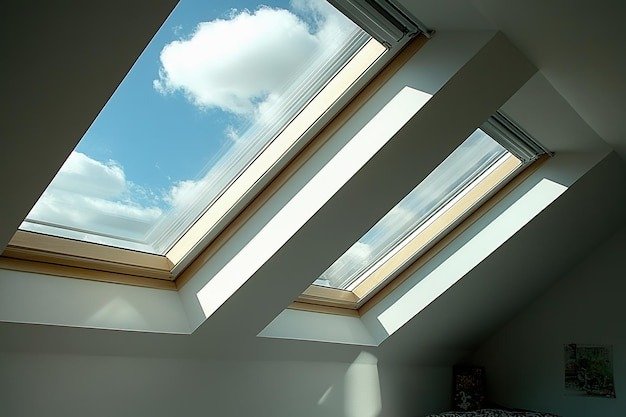
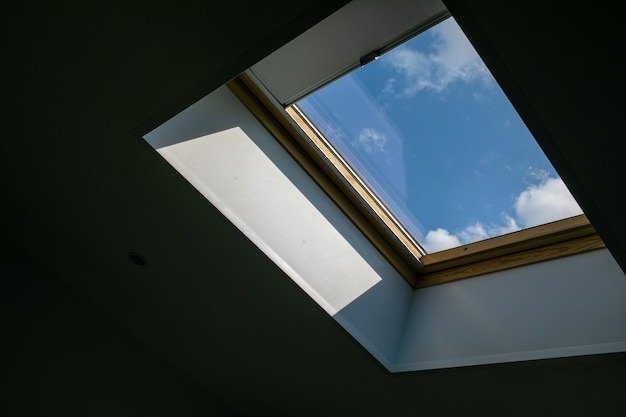
Traditional windows primarily introduce daylight from the sides of a room. Rooflights offer a different approach by allowing light to enter from above. This can be particularly useful in areas where wall space is limited or where surrounding buildings restrict the amount of sunlight entering through conventional windows.
A well-positioned rooflight can help distribute daylight across areas that might otherwise depend heavily on artificial lighting. It can also become an architectural feature that gives an ordinary room a stronger sense of character.
This makes rooflights particularly relevant to modern spaces such as:
See also: AI Feature or AI-Native Product: What Should Businesses Build?
Biophilic design has become an important influence in contemporary interiors. The concept focuses on bringing elements associated with nature into built environments through materials, plants, natural textures, views, ventilation, and daylight.
Rooflights fit naturally into this approach because they introduce daylight from an unexpected direction. Instead of simply illuminating a room, overhead light can create changing patterns throughout the day as the position of the sun changes.
This can give an interior a more dynamic quality without requiring complicated decorative features.
The effect can be especially noticeable in rooms with natural materials. Timber surfaces, stone finishes, indoor plants, neutral colors, and natural fabrics can work particularly well alongside generous daylight.
The goal is not simply to make a room brighter. It is to create an environment that feels naturally connected to the outside.
Material selection plays an important role when choosing a rooflight. Polycarbonate is widely recognized for being lightweight and impact resistant, making it a practical option for various rooflight applications.
Unlike some traditional glazing materials, polycarbonate can offer a balance between light transmission and structural practicality. Depending on the design and specification, it can also help diffuse incoming light, reducing the harsh contrast that can occur when strong sunlight enters directly into a room.
This makes it worth considering for homeowners who want daylight without creating an overly intense visual environment.
When selecting a polycarbonate rooflight, it is important to consider more than the material alone. The shape, thickness, finish, light transmission, roof structure, and installation requirements can all influence the final result.
One of the most interesting developments in daylighting is the growing focus on light quality rather than simply light quantity.
A room filled with intense direct sunlight is not always more comfortable than a room with softer, evenly distributed illumination. Direct sunlight can create glare and strong areas of contrast, while diffused daylight can provide a gentler appearance across a larger section of the room.
Polycarbonate rooflight designs can be available with different levels of transparency and diffusion. The appropriate option depends on the purpose of the room and the desired atmosphere.
For example, a kitchen may benefit from generous daylight across work surfaces, while a home office may require careful consideration of glare around computer screens.
The position of the rooflight matters just as much. Designers need to consider the direction of sunlight, surrounding structures, roof orientation, and the way the room is used throughout the day.
A rooflight should ideally be considered during the early stages of a renovation rather than treated as an addition at the end of the project.
Its position can influence ceiling design, structural requirements, interior finishes, and the distribution of furniture. Early planning also makes it easier to think about how daylight will interact with the rest of the room.
For example, placing a rooflight above a central circulation area can help spread light into nearby spaces. Positioning one above a kitchen island can create a visual focal point while providing useful illumination.
The surrounding ceiling design can also influence the result. A rooflight installed within a sloped or vaulted ceiling can create a dramatic architectural feature, while one installed within a flat ceiling may provide a more understated appearance.
There is no universal rooflight design that works equally well for every home. The right choice depends on the building, room, roof structure, and intended visual effect.
Consider these factors before making a decision:
Lighting has a powerful effect on how people perceive a room. A space with limited natural light can sometimes feel enclosed, even when it has sufficient floor area.
Introducing light from above can change that perception. It can draw attention toward the ceiling, create a stronger sense of vertical space, and highlight architectural details that may otherwise go unnoticed.
This is one reason rooflights are increasingly being incorporated into extensions and redesigned living spaces. They can provide a visual connection to the sky while making the interior feel more open.
The effect can also change throughout the day. Morning light may create a soft and calm atmosphere, while stronger afternoon light can emphasize textures, surfaces, and architectural forms.
Energy-conscious design is another reason daylighting continues to attract attention. Making better use of available natural light can reduce the need for artificial illumination in suitable conditions.
However, responsible daylighting is about balance. A rooflight should not be selected solely because it allows a large amount of sunlight into a building. Thermal performance, solar heat gain, ventilation, insulation, and overall building design also need to be considered.
The best results come from treating the rooflight as one part of a wider approach to energy-efficient design.
This can include combining suitable roof insulation with effective shading, efficient lighting, ventilation strategies, and carefully selected glazing or rooflight materials.
Home working has also influenced the way residential spaces are designed. Rather than placing a desk in any available corner, homeowners are increasingly creating dedicated environments that support concentration and comfort.
Natural light can make a home office feel less enclosed, particularly when the room has limited wall windows.
A rooflight positioned thoughtfully above or near the workspace can introduce daylight without using valuable wall space for another window. However, screen positioning remains important. Direct sunlight falling onto a monitor can cause reflections and visual discomfort.
A combination of diffused daylight, suitable furniture placement, and adjustable window coverings can help create a more adaptable workspace.
Modern rooflights do not necessarily need to blend into the background. They can become a defining feature of a room.
Large overhead openings can emphasize high ceilings and create a dramatic connection with the sky. Smaller rooflights can provide focused illumination over a particular area, such as a dining table, staircase, kitchen counter, or reading space.
For homeowners exploring different daylighting options, Skylights Roof Lanterns provides a useful reference point for considering how rooflight solutions can complement different architectural styles.
The key is to select a design that feels intentional. A rooflight should work with the proportions, materials, and purpose of the surrounding space.
Like any part of a building, rooflights require appropriate care. Dirt, debris, leaves, and environmental buildup can affect their appearance and the amount of daylight reaching the interior.
The surrounding roof area should also be inspected as part of routine property maintenance. Any signs of damage, deterioration, or water ingress should be addressed promptly by a qualified professional.
Material selection can influence maintenance requirements as well. A practical rooflight should provide the desired visual and performance characteristics while being suitable for the conditions in which it will be installed.
The most successful rooflight installations are rarely considered in isolation. They form part of a broader design strategy that considers daylight, ventilation, insulation, interior finishes, furniture placement, and the relationship between indoor and outdoor spaces.
Before selecting a rooflight, think about what you want the room to achieve. Is the goal to make a dark space feel brighter? Do you want to emphasize a particular architectural feature? Are you trying to create a stronger connection with the outdoors?
Answering these questions can make the selection process much clearer.
It is also worth considering how the space will feel at different times of day and in different seasons. Natural light is constantly changing, so a rooflight that looks ideal on a bright afternoon may produce a different effect in the morning or during overcast weather.
Residential design continues to move toward spaces that prioritize comfort, natural materials, energy awareness, and a stronger relationship with the outdoors. Within this changing landscape, rooflights offer a straightforward way to rethink how daylight enters a home.
Advances in materials, insulation, solar control, ventilation, and rooflight design are also giving homeowners more choices. Instead of simply selecting the largest possible opening, modern daylighting focuses on creating the right quality and distribution of light for each space.
This shift is important because good design is not always about adding more. It is about making better use of the resources already available.
Rooflights can do much more than brighten a room. When carefully selected and positioned, they can influence the atmosphere, character, comfort, and visual openness of an interior. Their growing popularity reflects wider design trends toward natural daylight, biophilic principles, adaptable spaces, and more considered residential architecture.
Polycarbonate rooflights can be a practical option for homeowners seeking a balance between daylight, durability, and design flexibility. However, the material is only one part of the decision. Roof structure, room purpose, light direction, thermal performance, ventilation, and overall appearance should all be considered before installation.
Whether you are planning a new extension, updating an existing room, or simply looking for better ways to introduce natural light, thoughtful rooflight design can make a noticeable difference. Explore the available options carefully, consider how daylight will interact with your space, and Contact us when you are ready to discuss a suitable rooflight solution for your project.