Newsletter Subscribe
Enter your email address below and subscribe to our newsletter

 ByJohn A
A bathroom can feel noticeably different after a few carefully chosen updates. One of the most effective changes is replacing a bulky shower curtain or outdated enclosure with modern bathroom shower enclosures. Glass can make the room appear more open, allow natural and artificial light to travel farther, and create a cleaner visual connection between the shower and the rest of the space.
The right enclosure also needs to suit the bathroom’s dimensions, layout, ventilation, and daily use. A beautiful design that does not fit the room properly can become frustrating, while a well-planned enclosure can remain practical for years. Understanding the available styles and the details that affect performance makes the selection process much easier.
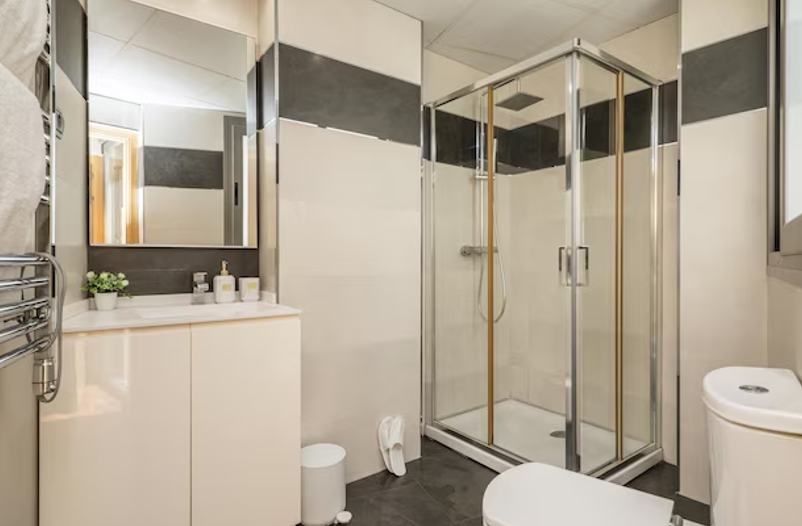
Bathrooms often have limited floor area, so visual barriers can make them feel smaller than they actually are. A transparent glass enclosure reduces that separation. Instead of stopping the eye at an opaque curtain or framed wall, the room remains visually connected.
This effect can be especially useful in compact bathrooms. Clear glass allows the tilework, flooring, fixtures, and shower design to remain visible, creating a more continuous appearance. Even a modest bathroom can feel less enclosed without requiring structural changes.
Natural light also benefits from this arrangement. If a bathroom has a nearby window, glass can help distribute available daylight throughout the room rather than keeping the shower area visually isolated.
Different bathroom layouts call for different enclosure designs. The shape and placement of the shower should be considered before choosing hardware or glass.
The enclosure should follow the room rather than forcing the room to accommodate an unsuitable design.
Appearance should not be the only consideration. Shower glass is exposed to regular moisture, temperature changes, cleaning, and everyday movement, so appropriate glass specifications are essential.
Tempered safety glass is commonly used for shower enclosures because it is processed to provide greater resistance to thermal stress than ordinary glass. If it breaks, it is designed to fracture into smaller pieces rather than large sharp shards.
Glass thickness can vary according to the enclosure design, dimensions, hardware, and installation requirements. A professional installer can determine the appropriate specification based on the particular application.
Edges, hinges, handles, seals, and support points also deserve attention. These components work together to keep doors operating correctly and help manage water within the shower area.
Small hardware choices can have a surprisingly strong effect on the appearance of a bathroom. Handles, hinges, brackets, and channels should complement the room’s existing fixtures rather than compete with them.
A bathroom featuring simple, contemporary faucets may suit understated hardware. More traditional spaces may benefit from hardware with a stronger visual presence.
The placement of handles is also a practical consideration. They should be positioned comfortably for regular use without interfering with nearby walls, cabinets, or other fixtures.
Hardware quality matters just as much as its appearance. Shower doors are opened and closed repeatedly, so hinges and rollers need to be suitable for the weight and configuration of the glass.
Glass shower doors are relatively straightforward to maintain, but the design can influence how much cleaning is required.
Water contains minerals that can leave deposits on glass when droplets evaporate. Soap residue can also accumulate over time. Regular wiping after showers can reduce buildup, while appropriate glass cleaners can help maintain clarity.
The enclosure’s configuration matters here. Fewer unnecessary seams and surfaces can make routine cleaning easier. A properly fitted door and suitable seals can also help reduce water escaping into the surrounding bathroom.
Some glass products may be available with protective treatments designed to make water and residue easier to remove. These treatments do not eliminate cleaning, but they can make regular maintenance more manageable.
Clear glass is popular for its open appearance, but privacy can be addressed through different glass treatments.
Frosted or patterned glass can obscure direct visibility while still allowing light into the shower. Textured glass offers another option, with patterns that create visual privacy without making the enclosure feel completely enclosed.
Some homeowners choose a combination of glass types, using clearer sections where openness is preferred and textured areas where privacy matters more.
The decision should reflect who uses the bathroom and how much privacy the space requires. A shared family bathroom may have different needs from a private primary bathroom.
Even high-quality glass can perform poorly if the enclosure is installed incorrectly. Measurements need to account for walls, corners, slopes, thresholds, and the exact position of plumbing fixtures.
A shower door that does not align properly can affect opening and closing, while poor sealing can allow water to reach areas outside the shower. Incorrectly positioned hardware may also place unnecessary stress on the glass.
Luxurious Glass LLC focuses on the details involved in glass enclosure projects, helping homeowners select designs that fit the space and function properly. Careful measurement and professional installation can make a substantial difference in both appearance and long-term usability.
An enclosure should not be selected in isolation. Consider the bathroom as one connected space. Tile color and pattern can influence whether clear or textured glass works best. The location of the vanity can determine which way a shower door should open. A nearby toilet, cabinet, or towel bar may affect the required clearance.
Ventilation is another practical consideration. Bathrooms need effective moisture control regardless of the enclosure style. An attractive glass installation should work alongside the room’s existing ventilation system rather than obstructing it.
It is also useful to think about future maintenance. Simple hardware arrangements and accessible surfaces can make cleaning and repairs easier over time.
See also: How Commercial Snow Removal Helps Keep Businesses Accessible
A shower enclosure is more than a barrier that keeps water inside the shower. Its glass, hardware, door configuration, and placement can influence how the entire bathroom looks and functions.
Clear glass can make a compact room appear more spacious. Textured glass can introduce privacy. Sliding doors can conserve floor space, while frameless designs can give tilework and fixtures greater visual prominence. The best choice depends on the dimensions, layout, style, and practical requirements of the individual bathroom.
For homeowners planning a bathroom update, careful measurements and professional installation are worth prioritizing from the beginning. Contact us today to discuss your shower enclosure project and find a glass design that fits your bathroom.