Newsletter Subscribe
Enter your email address below and subscribe to our newsletter

 ByJohn A
Commercial buildings often contain large interior areas where conventional windows cannot provide enough natural daylight. Commercial roof windows offer an effective way to introduce light from above while making better use of otherwise unused roof space.
For offices, retail buildings, schools, workshops, warehouses, and other commercial properties, roof glazing can contribute to a brighter and more welcoming interior. Skylights Roof Lanterns provides roof glazing solutions that can be considered for a variety of commercial applications.
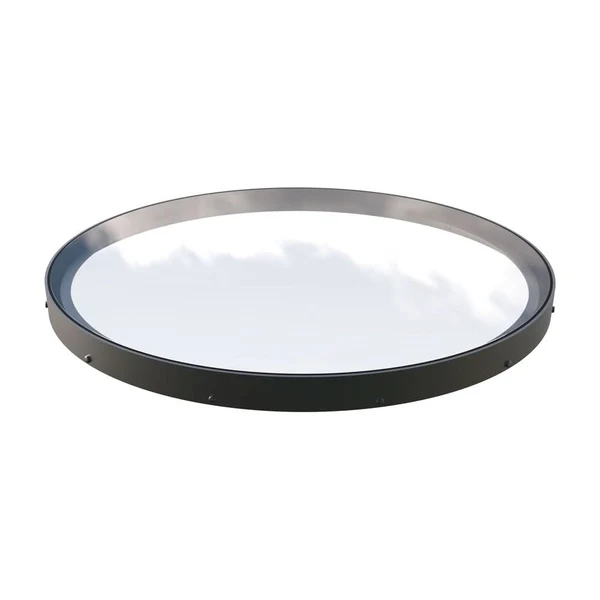
Commercial roof windows are glazed systems designed to provide daylight through a building’s roof. Depending on the design, they may be fixed or opening and can be manufactured for different roof configurations.
For flat-roof buildings, rooflights are commonly installed over a prepared opening and integrated with the waterproofing system. Larger systems may require additional structural consideration because the roof must support the glazing and associated framework.
The terminology used in the industry can vary. Rooflights, skylights, and flat roof windows are sometimes used interchangeably, although their construction and installation methods can differ.
Natural daylight can significantly change the character of a commercial space. A room that relies entirely on artificial lighting can feel enclosed, while overhead glazing can create a more open environment.
Commercial roof windows may be suitable for:
The appropriate design depends on the building’s size, roof construction, purpose, and lighting requirements.
Flat roofs require roof glazing designed specifically for low-slope applications. Water management is an important consideration because rainwater does not drain from a flat roof in the same way as it does from a pitched roof.
A rooflight may therefore be installed on a kerb or upstand that separates the glazing system from the roof surface. The connection between the roof membrane, kerb, frame, and glazing must be carefully detailed.
Professional installation is particularly important for commercial buildings because a roof leak can disrupt business operations and damage interior finishes or equipment.
Large commercial interiors often need a different approach from residential rooms. A single small roof window may not distribute enough light across a large floor area.
Multiple rooflights can be positioned strategically to distribute daylight across the building. Larger glazed systems may also be considered where the structure and design allow them.
The objective should be balanced daylight distribution rather than simply installing the largest possible glazed area.
Commercial buildings can have substantial heating and cooling requirements, making thermal performance an important consideration.
Modern roof glazing can use insulated glass and thermally efficient framing to help reduce heat transfer. Solar-control glazing may also be considered in areas exposed to strong sunlight.
The right specification depends on factors such as building orientation, climate, glazing area, internal heat gains, and ventilation strategy.
A roof window should therefore be treated as part of the overall building envelope.
Fixed commercial roof windows are primarily designed to provide daylight. They can be suitable for areas where ventilation is handled through other systems.
Opening roof windows provide additional ventilation. They may be manually operated or connected to an automated control system.
In larger commercial buildings, automated opening systems can potentially be integrated with ventilation and building-management strategies, depending on the project specification.
Commercial roof glazing must be selected with safety and durability in mind.
The glazing specification should take account of the fact that it is installed overhead. Appropriate safety glass and structural specifications may be required depending on the application.
Durability is also important because commercial roof windows are exposed to weather conditions throughout the year. Frames, seals, glazing, and roof junctions should be selected for the expected environment and usage.
Before installing commercial roof windows, building owners should assess:
Working with an experienced installer can help ensure that the rooflight is correctly integrated into the building envelope.
Skylights Roof Lanterns offers roof glazing options that can be considered for commercial and residential projects. The brand’s range allows customers to explore different daylighting approaches depending on the roof design and architectural requirements.
For commercial applications, product selection should always be based on the individual building rather than simply choosing a roof window based on appearance.
One of the strongest benefits of commercial roof windows is their ability to bring daylight into areas that conventional windows cannot easily reach.
For example, a large open-plan office may have windows around its perimeter but remain darker toward the centre. Strategically positioned rooflights can help introduce daylight into this central area.
Similarly, retail environments can use overhead glazing to create a brighter shopping environment without relying entirely on wall glazing.
Commercial roof windows can provide practical daylighting for offices, retail premises, industrial buildings, and other large commercial spaces. When designed for flat roofs and specified correctly, they can combine natural lighting with thermal performance, ventilation options, and contemporary architectural design.
The most suitable solution depends on the building’s structure, roof type, glazing requirements, and intended use. Careful planning and professional installation are essential for achieving reliable long-term performance.