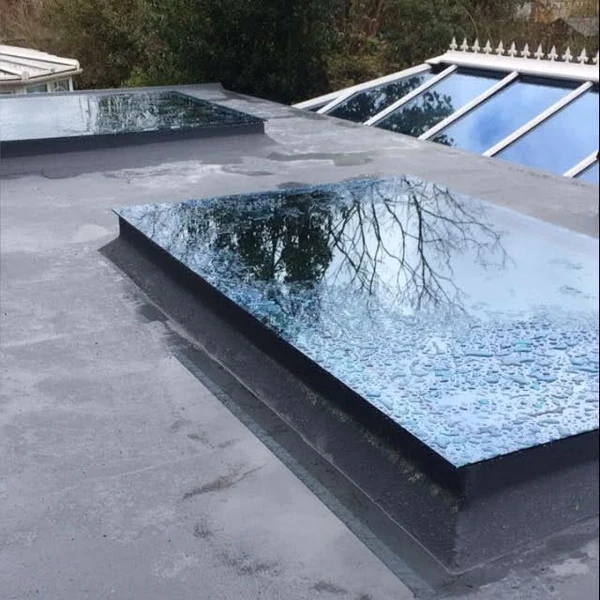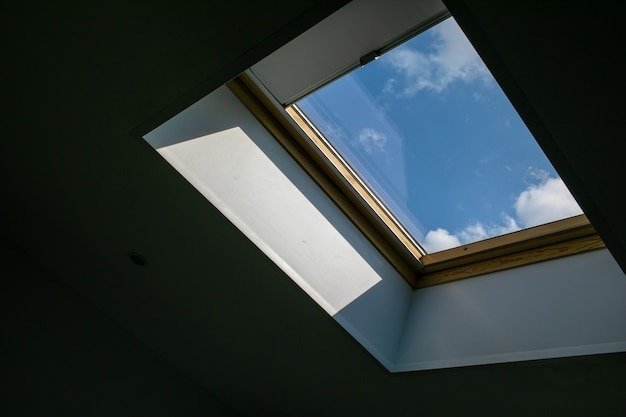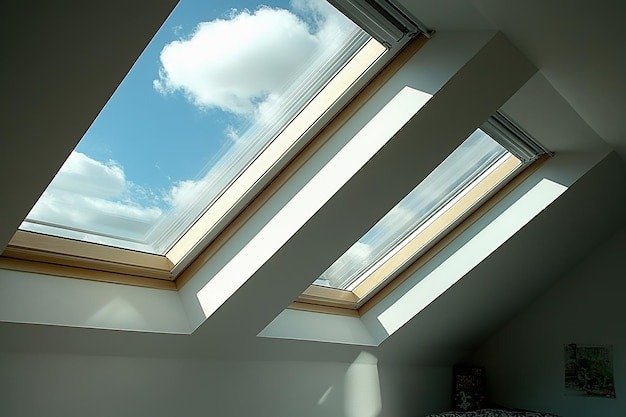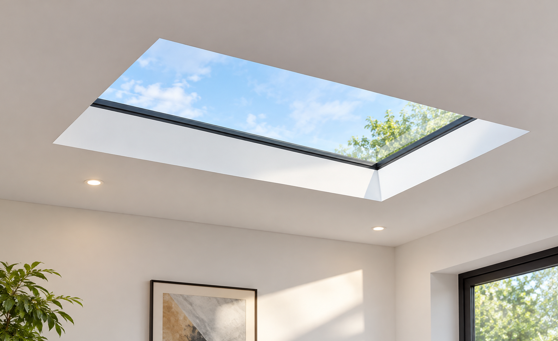

Natural light can make a home feel brighter, more open and comfortable. However, rooms with flat roofs often receive less daylight than spaces with traditional pitched roofs, particularly when they have limited windows. Installing a flat roof skylight window is a practical way to bring more sunlight into these areas while adding an attractive feature to the property. It can work well in kitchen extensions, living rooms, bathrooms and other spaces that need better lighting. With different sizes, glazing options and opening styles available, choosing the right design requires some thought. Roof Lights offers options worth considering when comparing roof glazing for residential projects.
Consider the Room and Its Lighting Requirements
Start by thinking about the room where the skylight will be installed. Different spaces have different lighting requirements, so the most suitable design will depend on how the room is used. For example, a kitchen extension may benefit from a larger rooflight that allows plenty of daylight to reach worktops and dining areas. A smaller skylight may be enough for a bathroom, hallway or compact utility room.
Consider the following points before making a decision:
- Room size: Larger rooms may need wider or multiple rooflights to distribute daylight evenly.
- Natural light: Check how much sunlight the room receives throughout the day.
- Room layout: Avoid positioning the skylight where cupboards, tall furniture or other features may block the incoming light.
- Privacy: Bathrooms and bedrooms may need glazing that allows daylight in without making the interior too exposed.
Thinking about these details first will help you select a rooflight that suits the room rather than choosing a size based only on appearance.
See also: How Life Coaching Can Support Your Employment and Career Goals
Choose a Suitable Size and Shape
The size of a skylight affects both the amount of daylight entering a room and the overall appearance of the ceiling. A larger unit can create a more open feel, while a smaller option may provide enough light without becoming the main feature of the space. Measure the available roof area carefully before selecting a product. You should also consider the position of roof joists, structural supports and other building elements that could affect installation.
Flat rooflights are available in different dimensions, including square and rectangular designs. A square option can work well in a smaller room, while a longer rectangular skylight may suit an open-plan kitchen or living area. Roof Lights provides different size options, making it easier to compare designs for various roof spaces. Always check the product dimensions and required structural opening before placing an order.
Look Closely at Glazing and Insulation
Glazing quality should be one of the main considerations when choosing a rooflight. As the unit sits directly above the room, it needs to manage heat transfer while allowing natural daylight to enter.
Double and triple glazing are common options. Double-glazed units use two panes of glass with an insulating gap between them. Triple-glazed designs have three panes, which can offer improved thermal performance depending on their construction.
Check the following glazing features:
- Thermal insulation: Look at the manufacturer’s U-value information. A lower U-value generally indicates better insulation.
- UV protection: Certain glazing options help reduce the amount of ultraviolet radiation entering the room, which can help protect furniture, flooring and fabrics.
- Self-cleaning glass: Some products have coatings that help rainwater wash away dirt, reducing the need for frequent cleaning.
- Light transmission: Check how much visible daylight passes through the glazing.
Good glazing can help maintain a more comfortable indoor temperature throughout the year. Always compare the technical specifications rather than assuming that every rooflight offers the same performance.
Decide Between Fixed and Opening Designs
Flat roof skylights are available in fixed and opening styles. Your choice should depend on the purpose of the room and whether additional ventilation is needed.
Fixed rooflights remain closed and are mainly designed to provide natural light. They are suitable for living rooms, hallways and spaces where existing windows or ventilation systems already provide enough airflow.
Opening rooflights can be opened to allow fresh air into the room. They may be useful in kitchens and bathrooms, where cooking smells, moisture and warm air can build up.
Some opening designs operate manually, while others use electric controls. Electric options can be convenient when the skylight is positioned high above the floor or is difficult to reach.
Before choosing an opening model, check its operating method, weather protection and maintenance requirements.
Match the Design to Your Home’s Style
A rooflight should complement the existing design of your property. Modern homes often suit simple glazing with clean lines, while extensions and renovated properties may benefit from designs that create a strong connection between indoor and outdoor spaces. Consider the frame finish, glass appearance and overall profile. A low-profile design can give the ceiling a neat appearance without drawing too much attention to the frame.
Think about how the skylight will look from both inside and outside the property. Its position and proportions should work with the roof structure and the room’s existing features. Roof Lights offers flat roof glazing options that can be compared according to dimensions and design requirements. Reviewing the available styles can help homeowners find a product that fits their building plans.
Check Weather Resistance and Build Quality
British weather can bring heavy rain, strong winds and changing temperatures. A rooflight must be suitable for these conditions and provide reliable protection against water entering the property.
Check the quality of the frame, glazing seals and materials used in the construction. The unit should also be compatible with the roof covering and waterproofing system.
Pay attention to details such as:
- Weather-resistant seals around the glazing.
- Strong frame construction.
- Suitable drainage arrangements.
- Compatibility with the existing flat roof structure.
- Manufacturer’s warranty and product guidance.
A well-made rooflight, installed correctly, can provide dependable performance for many years. Product specifications and warranty terms should always be reviewed before purchasing.
Set a Budget Before You Buy
The cost of a flat rooflight depends on several factors, including its dimensions, glazing type, frame materials and opening mechanism. Larger units and more advanced designs may cost more than basic fixed options. However, the purchase price is only one part of the overall expense. You should also account for installation, structural adjustments, waterproofing and any finishing work required inside the room.
Homeowners planning to buy rooflights in the UK should compare products based on their full specifications rather than choosing the cheapest available option. Look at the glazing performance, warranty, delivery arrangements and installation requirements. Comparing these details can help you find a product that meets your requirements without exceeding your planned budget.
Professional Installation Makes a Difference
Even a good-quality rooflight can cause problems if it is installed incorrectly. Poor fitting may lead to water leaks, draughts, condensation or heat loss. Before installation, check that the roof structure can support the selected unit. The opening must be prepared to the correct dimensions, and the surrounding roof area needs suitable waterproofing.
Using an experienced installer can help ensure that the rooflight is fitted securely and that the manufacturer’s installation guidance is followed. It is also worth checking whether building regulations apply to your project, particularly where structural changes or alterations to thermal performance are involved. If you plan to buy rooflights uk, reviewing the installation guidance before ordering can prevent delays and help you prepare the roof correctly.
Make a Well-Informed Choice for Your Home
The right skylight should suit your room, roof structure and everyday needs. Consider its size, glazing performance, ventilation options, appearance and installation requirements before making a final decision. Comparing these features will help you choose a rooflight that brings useful daylight into your home while providing reliable long-term performance. A little planning before purchasing can make the installation process easier and help you get more from your living space. Planning to add more natural light to your home? Reach out to Roof Lights today to discuss your requirements, compare suitable flat rooflight options and find a design that works for your space.