Newsletter Subscribe
Enter your email address below and subscribe to our newsletter

 ByJohn A
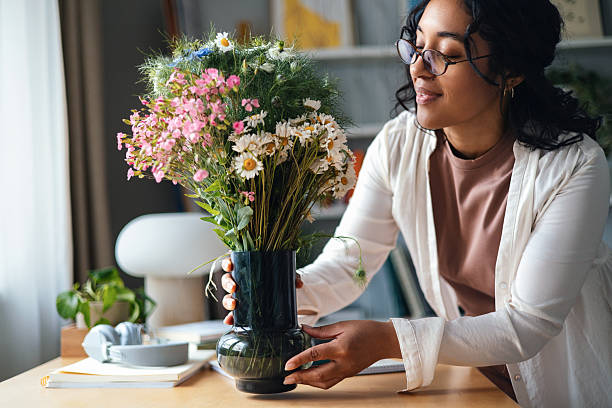
Artificial flowers can be a practical way to add colour, texture and personality to a professional workplace. Unlike fresh flowers, they do not require watering, sunlight or regular replacement, making them suitable for busy offices where decorative features need to remain presentable with minimal daily attention.
However, artificial blooms can gradually collect dust and lose their visual appeal if they are not maintained properly. Knowing how to clean, position and store artificial flowers for office spaces can help keep them looking fresh and attractive for longer.
Whether you are decorating a reception area, meeting room, individual desk or shared workspace, a simple maintenance routine can make a noticeable difference.
Artificial flowers are designed to provide a long-lasting decorative solution, but they are not completely maintenance-free. Dust, dirt and other particles can settle on petals, leaves and stems over time.
In an office environment, this can be particularly noticeable because artificial arrangements may remain in the same position for months.
Regular maintenance can help:
A few minutes of cleaning at regular intervals can help preserve the quality of an arrangement.
See also: Professional Bathroom Remodel Services in Houston
Dust is one of the most common issues affecting artificial floral displays. It can settle between petals, along leaves and around stems, making flowers appear less vibrant.
A soft, clean microfiber cloth can be useful for gently wiping larger leaves and smooth surfaces. For delicate flowers, use a soft brush or feather duster and work carefully between the petals.
When cleaning an arrangement, start with the uppermost flowers and gradually work down towards the container. This helps prevent dust from settling again on areas you have already cleaned.
Pay attention to:
Avoid applying excessive pressure, particularly to delicate artificial petals that can become misshapen.
Not every artificial flower should be cleaned in exactly the same way. Some materials may tolerate light moisture, while others can be damaged by excessive water or cleaning products.
Before using any liquid cleaner, check the manufacturer’s care instructions where available.
For general maintenance, a slightly damp cloth may be suitable for some washable materials. Allow flowers to dry completely before placing them back into their usual position.
Strong chemicals can potentially affect the colour, finish or texture of artificial flowers. Unless the manufacturer specifically recommends a particular cleaning solution, gentle cleaning methods are generally preferable.
Simple tools such as a soft cloth, brush or duster can often handle routine dust removal effectively.
Although artificial flowers do not need sunlight to survive, prolonged exposure to strong direct sunlight can affect some materials.
Over time, intense sunlight may cause colours to fade, particularly with lower-quality artificial blooms.
When possible, position artificial flowers for office areas away from prolonged direct sunlight. Good locations can include:
If an arrangement needs to be placed near a window, consider rotating its position periodically to help maintain a consistent appearance.
Heat can also affect certain artificial materials. Avoid placing floral arrangements directly beside radiators, heaters, vents or other strong heat sources.
Excessive heat may affect the shape or finish of some synthetic materials.
Choosing a stable location with moderate indoor conditions can help preserve the arrangement and reduce the need for frequent repositioning.
The flowers may receive most of the attention, but the container is equally important to the overall presentation. A dusty or marked vase can make an otherwise attractive arrangement look neglected.
Clean the container regularly using a suitable cloth and cleaning method based on its material.
While cleaning the vase, check whether the flowers are still positioned correctly. Artificial stems can sometimes shift when an arrangement is moved.
Adjust the flowers so that the original shape and balance are restored. Remove any loose leaves or damaged decorative elements where appropriate.
Artificial flowers can sometimes become flattened or displaced after being transported or stored. This is particularly common with arrangements containing flexible stems.
Gently reposition individual stems and petals to restore the intended shape.
Avoid forcing petals into unnatural positions. Slow and gentle adjustments can help preserve the appearance of the arrangement.
Look at the arrangement from several angles after making adjustments. Flowers should have enough space to remain visible, while foliage should provide supporting texture rather than completely covering the blooms.
A balanced arrangement can look considerably more realistic and polished.
If your workplace has several floral displays, periodically changing their locations can provide a refreshed appearance without purchasing new décor.
For example, an arrangement used in a reception area could later be moved to a conference room or breakout space, provided its size and style suit the new location.
This can be particularly useful for businesses that want to update their interior appearance for seasonal events, meetings or corporate occasions.
Professional floral designers use colour, proportion, texture and placement to create visually balanced displays. These principles can also be applied when maintaining artificial arrangements.
For example, businesses researching corporate floral arrangements in NYC may notice how professional workplace floral displays are designed to complement reception areas, conference rooms and corporate interiors without overwhelming the space.
The same design principles can be applied to artificial arrangements: keep colours coordinated, maintain appropriate proportions and ensure that the display suits the surrounding environment.
If artificial flowers are used seasonally or for occasional events, proper storage is essential. Incorrect storage can cause petals to become crushed, stems to bend and arrangements to lose their shape.
If an arrangement has a particularly delicate structure, consider storing individual components separately and rebuilding the display when needed.
Artificial flowers can last for a long time, but they are not permanent. Significant fading, broken stems, damaged petals or persistent discolouration can affect the appearance of a workplace.
If an arrangement no longer looks professional despite cleaning and adjustment, replacing selected flowers or the complete display may be more practical.
This is especially important in reception areas and client-facing spaces where décor contributes to the overall impression of the workplace.
A consistent maintenance routine makes caring for artificial flowers for office spaces much easier.
A basic schedule could include:
The exact frequency can vary depending on the office environment, airflow, dust levels and location of the arrangements.
Artificial flowers can provide an attractive and convenient way to enhance professional interiors, but regular care is important to keep them looking their best. Dusting, gentle cleaning, careful positioning and appropriate storage can all help preserve their appearance.
When selecting artificial flowers for office spaces, consider not only their initial appearance but also where they will be placed and how they will be maintained. Professional floral design concepts, including those seen in corporate floral arrangements in NYC, can also provide useful inspiration for creating balanced and sophisticated workplace displays.
With a simple maintenance routine and thoughtful placement, artificial floral arrangements can remain an attractive part of office décor for an extended period while requiring considerably less daily attention than fresh flowers.