Newsletter Subscribe
Enter your email address below and subscribe to our newsletter


 ByJohn A
Moving to a new home can be an exciting experience, but the process of packing, organising, transporting, and unpacking your belongings can quickly become overwhelming. Whether you are moving across Melbourne or relocating to another suburb, careful planning can make the entire process smoother and more efficient.
A successful House Removal in Melbourne does not happen by chance. It requires preparation, organisation, and a practical approach to managing your belongings and schedule. By following a few simple strategies, you can reduce stress, avoid unnecessary delays, and make your move more manageable.
One of the most effective ways to simplify your move is to begin planning well in advance. Leaving everything until the last few days can result in rushed packing, misplaced items, and unnecessary stress.
Create a moving checklist that includes important tasks such as:
Breaking the move into smaller tasks allows you to complete them gradually rather than trying to manage everything at once.
See also: Professional Pergola Installation Services: What Homeowners Need to Know
Moving is an excellent opportunity to decide what you actually need. Transporting items that you no longer use can take up valuable space and increase the amount of work involved in your move.
Go through each room and separate your belongings into categories such as:
Pay particular attention to wardrobes, garages, storage areas, kitchens, and spare rooms, as these spaces often contain items that have not been used for years.
Reducing the number of possessions you need to move can make House Removal in Melbourne considerably more efficient. It also means there will be fewer boxes to unpack when you reach your new home.
Packing everything randomly can make unpacking extremely difficult. Instead, approach the process room by room.
Begin with items you do not use every day, such as decorations, books, seasonal clothing, and rarely used kitchen equipment. Leave everyday essentials until closer to moving day.
Clearly label each box with:
For example, a label reading “Kitchen – Plates and Glassware – Fragile” will make it much easier to identify the box later.
Using appropriate packing materials can help protect your belongings during transportation. Strong boxes are useful for heavier items, while lighter boxes can be used for clothing, linens, and other lightweight possessions.
For fragile belongings, consider using protective materials such as bubble wrap, packing paper, or suitable cushioning. Avoid leaving empty spaces inside boxes because items can move around during transportation.
At the same time, avoid overfilling boxes. A box that is too heavy can be difficult to lift and may become damaged.
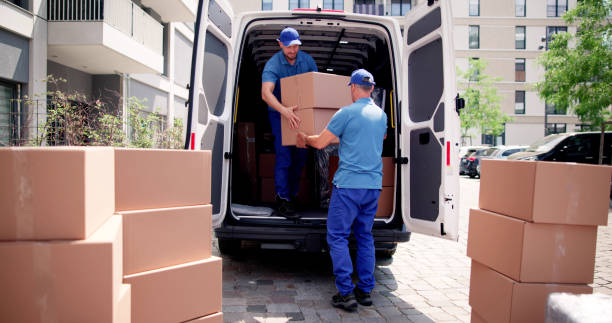
One common mistake during a move is packing everything away and then discovering that basic necessities are difficult to find.
Prepare a separate essentials box or bag containing items you may need immediately after arriving at your new home. Depending on your circumstances, this could include:
Keep this box easily accessible rather than placing it deep inside the moving vehicle.
Melbourne is a large and busy city, so traffic and parking can affect moving-day schedules. When planning your House Removal in Melbourne, consider the location of both properties and the likely traffic conditions around your preferred moving time.
Check whether there are narrow streets, apartment access restrictions, loading areas, stairs, lifts, or other obstacles that could make moving furniture more complicated.
If you live in an apartment or building with shared facilities, check whether there are specific requirements for using lifts or loading areas. Planning these details beforehand can help prevent delays on moving day.
Moving large furniture through doorways and hallways can sometimes result in accidental damage. Before moving begins, consider protecting vulnerable areas of your property.
Furniture can be covered to protect it from scratches, dust, or minor impacts. Floors and high-traffic areas may also benefit from suitable protective coverings.
Measure large furniture and doorways where necessary. Knowing that a wardrobe, sofa, or appliance can fit through the intended route can prevent unpleasant surprises on moving day.
Certain belongings should not simply be packed into ordinary moving boxes. Keep important documents, valuable personal possessions, keys, financial records, and other essential items in a secure and easily accessible location.
It is also sensible to keep an inventory of important belongings. Photographs can be useful for documenting the condition of valuable furniture or electronic equipment before transportation.
This organisation can make it easier to identify missing or damaged items and provides a useful record throughout the moving process.
If possible, prepare the new property before your belongings arrive. Cleaning empty rooms is generally easier than cleaning them after furniture and boxes have been moved inside.
You can also decide where major furniture pieces will go before moving day. Having a basic floor plan or arrangement in mind can reduce the need to repeatedly move heavy items.
Consider preparing bedrooms first so that essential sleeping arrangements are ready when the move is completed.
Once everything arrives at your new home, you may feel pressure to unpack immediately. However, trying to unpack every box in one day can be exhausting.
Start with essential areas such as the bedroom, bathroom, and kitchen. Then work through the remaining rooms according to your priorities.
Because your boxes were labelled during packing, you should be able to identify what you need without opening every box.
A House Removal in Melbourne becomes much easier when you treat it as a series of manageable tasks rather than one enormous job. Starting early, decluttering, packing systematically, protecting your belongings, and considering practical issues such as traffic, access, and parking can significantly improve the moving experience.
The key is preparation. A detailed checklist, clearly labelled boxes, an essentials bag, and a realistic schedule can help you stay organised from the first packing session through to the final unpacked box.
With a structured approach, moving home can be less stressful, more efficient, and easier to manage from beginning to end.