Newsletter Subscribe
Enter your email address below and subscribe to our newsletter

 ByJohn A
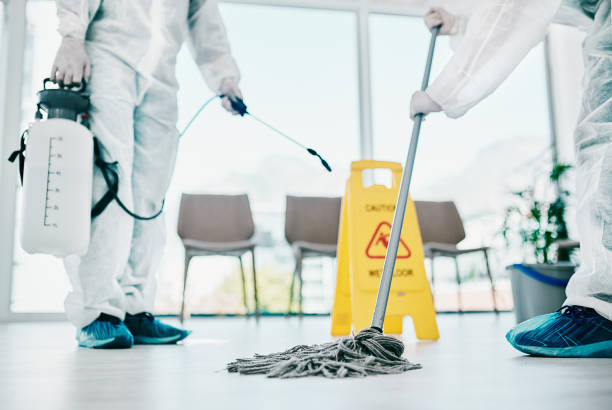
Unexpected messes can happen at any time and may quickly become difficult to manage. A burst pipe, flooding, sewage backup, fire-related residue, storm damage, or a serious spill can affect a property within minutes. In these situations, emergency cleaning services can provide the specialised cleaning and immediate response needed to restore affected areas.
Unlike routine cleaning, emergency cleaning focuses on situations that require prompt attention. The goal is not only to remove visible dirt and debris but also to address moisture, contamination, odours, and other problems that may create additional damage if left untreated.
Emergency cleaning services are professional cleaning solutions designed for urgent situations that cannot wait for a normal cleaning appointment. They can be used in residential, commercial, industrial, and other types of properties.
The exact cleaning process depends on what has happened and the materials or areas affected. A minor incident may require targeted cleaning, while extensive damage may involve water removal, sanitisation, odour treatment, debris removal, and drying.
See also: Roof Gutter Repair in Newcastle: Common Problems and How to Fix Them
Several unexpected incidents can create an immediate need for professional cleaning, including:
Responding quickly can help prevent an isolated problem from becoming more extensive.
When an unexpected mess occurs, delaying the cleaning process can increase the potential for secondary problems. Moisture, for example, can move into flooring, walls, furniture, and other porous materials. Standing water can also contribute to unpleasant odours and microbial growth.
Similarly, smoke and fire residues can settle on surfaces and may become more difficult to remove over time. Contaminated water can create additional hygiene concerns if affected areas are not properly cleaned and sanitised.
One of the main advantages of an immediate response is limiting the impact of the original incident. Removing standing water, cleaning contaminated surfaces, and clearing debris can help protect unaffected areas.
Professional cleaners can assess the situation and identify areas that may not be obvious during a quick visual inspection. This is particularly useful when moisture or contamination has spread behind surfaces or into materials.
Professional emergency cleaning generally follows a structured process. While the exact steps vary depending on the incident, the objective is to make the property safer, cleaner, and more suitable for normal use.
The first step is usually an assessment of the affected property. This helps determine the source and extent of the problem.
Professionals may inspect floors, walls, ceilings, furniture, fixtures, and other affected areas. They also consider the type of material involved and whether contamination or moisture has spread beyond the immediately visible area.
The assessment helps establish which cleaning methods and equipment are appropriate.
Containing the affected area can help prevent the problem from spreading to other parts of the property.
For example, areas affected by contaminated water may need to be separated from clean areas. Similarly, debris, soot, or other residues may need to be controlled during the cleaning process.
Containment can be particularly important in commercial properties where unaffected areas may need to remain operational.
The next stage involves removing materials that should not remain in the affected area.
Depending on the situation, this may include:
Specialised equipment may be used where ordinary household cleaning tools are not sufficient.
Once unwanted materials have been removed, surfaces can be cleaned and sanitised as appropriate.
Cleaning removes dirt, residues, and other unwanted substances from surfaces. Sanitisation focuses on reducing harmful microorganisms where necessary.
The cleaning method should match the material being treated. Different approaches may be required for carpets, upholstery, hard flooring, walls, cabinetry, and other surfaces.
Water-related emergencies require particular attention because moisture can remain hidden after visible water has been removed.
Moisture may enter carpets, underlay, timber, plasterboard, insulation, and other porous materials. If these areas remain damp, they may develop persistent odours or support microbial growth.
Professional emergency cleaning may therefore involve moisture detection and drying equipment to help identify and address damp areas.
Air movers, dehumidifiers, extraction equipment, and other specialised tools may be used depending on the extent of water damage.
The objective is to remove excess moisture and improve drying conditions. Proper drying can help reduce the likelihood of ongoing moisture-related problems.
Unexpected incidents can leave strong or persistent smells behind. Water damage, sewage, smoke, food waste, and other contaminants may all contribute to unpleasant odours.
Effective odour management generally focuses on identifying and addressing the source rather than simply covering it with fragrances.
Cleaning affected surfaces, removing contaminated materials, drying damp areas, and using suitable odour-control methods can help address the underlying cause.
The appropriate treatment depends on what created the odour and how deeply it has affected the property.
An unexpected cleaning emergency can be stressful for homeowners. A professional response can help organise the cleanup process and reduce the amount of work required from occupants.
For example, after a significant water leak, professionals can focus on water extraction, affected-surface cleaning, drying, and odour management. After a fire, the cleaning process may involve removing soot and smoke residues from suitable surfaces.
This allows homeowners to focus on other aspects of recovering from the incident.
Unexpected messes can interrupt normal business operations. A damaged office, retail space, warehouse, or other commercial property may become difficult or unsafe to use.
Emergency cleaning services can help address affected areas as efficiently as practical, allowing property managers to begin the recovery process sooner.
Fast action may help prevent a localised incident from affecting a larger section of a property. Cleaning teams can also work around unaffected areas where appropriate.
Businesses should still follow any necessary health, safety, insurance, and regulatory requirements associated with the incident.
Professional help may be appropriate when a cleaning problem is extensive, involves contamination, creates significant moisture, produces persistent odours, or requires specialised equipment.
It can also be useful when attempting to clean the area yourself could create additional risks or cause damage to affected materials.
Consider seeking professional assistance promptly when dealing with:
For hazardous substances or situations involving immediate safety risks, the appropriate emergency or specialist response should be contacted rather than attempting to clean the area independently.
Although emergencies cannot always be prevented, property owners can take steps to make a response easier.
Keep important contact information accessible, know where the main water shut-off is located, and understand basic emergency procedures for the property. It can also be helpful to document damage with photographs before extensive cleanup begins, provided it is safe to do so.
Unexpected messes can develop into larger property problems when they are not addressed promptly. From flooding and sewage backups to smoke residue and storm debris, different emergencies require different cleaning approaches.
Emergency cleaning services provide a structured response that may include assessment, containment, removal, cleaning, sanitisation, drying, and odour management. Acting quickly can help limit further damage and support a safer recovery process.
When an incident is too extensive, contaminated, or technically demanding for routine cleaning, professional assistance can provide the equipment, processes, and expertise needed to manage the situation effectively.