Newsletter Subscribe
Enter your email address below and subscribe to our newsletter

 ByJohn A
Search engine optimization involves many different activities, from improving website content and monitoring keyword rankings to analysing organic traffic and identifying technical issues. However, completing these activities is only part of an SEO strategy. Understanding whether those efforts are producing measurable results is equally important.
An SEO Reporting Tool can help businesses, marketers and SEO professionals collect important performance data and present it in an organised format. Instead of reviewing multiple metrics separately, a reporting platform can bring key information together to make SEO performance easier to monitor.
SEO results can change over time. Keyword positions may rise or fall, organic traffic can fluctuate, and individual pages may perform differently from one period to another.
Regular reporting can help you understand:
Consistent reporting also makes it easier to compare current performance with previous periods.
See also: Roof Gutter Repair in Newcastle: Common Problems and How to Fix Them
A reporting platform can bring together different types of SEO data. The exact metrics available depend on the platform and integrations being used.
Keyword rankings show where website pages appear in search results for selected search terms.
Monitoring rankings over time can help identify:
Rather than looking at rankings as a single snapshot, tracking changes over time provides more useful context.
Organic traffic refers to visitors who reach a website through unpaid search results. Monitoring organic sessions or users can help businesses understand whether their visibility in search engines is translating into website visits.
Traffic data can also be segmented by:
This can provide a clearer picture of how different areas of a website are performing.
Organic growth is not limited to increasing the number of visitors. A website may also experience growth through improved keyword visibility, increased impressions, higher click-through rates and stronger performance across important landing pages.
An SEO Reporting Tool can help bring these indicators together so that changes can be evaluated over time.
For example, a report might show that a page has moved from the second page of search results to the first page while also receiving more organic clicks. Looking at these metrics together provides more context than considering either ranking or traffic alone.
A useful SEO report should focus on metrics that provide meaningful information about website performance.
Impressions indicate how frequently a website or page appears in search results. An increase in impressions can indicate that a page is becoming visible for more searches.
Clicks show how many users selected a website’s search result. Comparing clicks with impressions can provide insight into how effectively search visibility is generating visits.
Click-through rate, commonly known as CTR, measures the percentage of impressions that result in clicks.
A page may receive many impressions but relatively few clicks. This can encourage further review of elements such as the title and search-result description.
Average position provides an indication of how a website or page performs for its tracked search visibility. Because search results can vary, this metric is most useful when monitored consistently over time.
Traffic alone does not necessarily indicate business success. Where appropriate, reports should also track conversions such as enquiries, registrations, purchases or other defined website actions.
Simply collecting large amounts of data does not automatically create a useful report. The information should be organised around clear objectives.
Determine what the report needs to measure. For example, your objective might be improving rankings for specific keywords, increasing organic traffic or generating more enquiries.
Choose metrics that directly relate to those objectives. Avoid filling reports with data that does not contribute to understanding performance.
Comparing data with a previous period can help identify trends and changes. Depending on the campaign, you may compare weekly, monthly or quarterly performance.
Reports should make important increases, decreases and changes easy to identify. This can help SEO teams decide where further investigation is needed.
Using a dedicated reporting platform can simplify the process of monitoring SEO performance.
Manually collecting information from different platforms can be time-consuming. Automated reporting can bring selected metrics together in one place.
Using the same reporting process each month can make performance comparisons easier and more consistent.
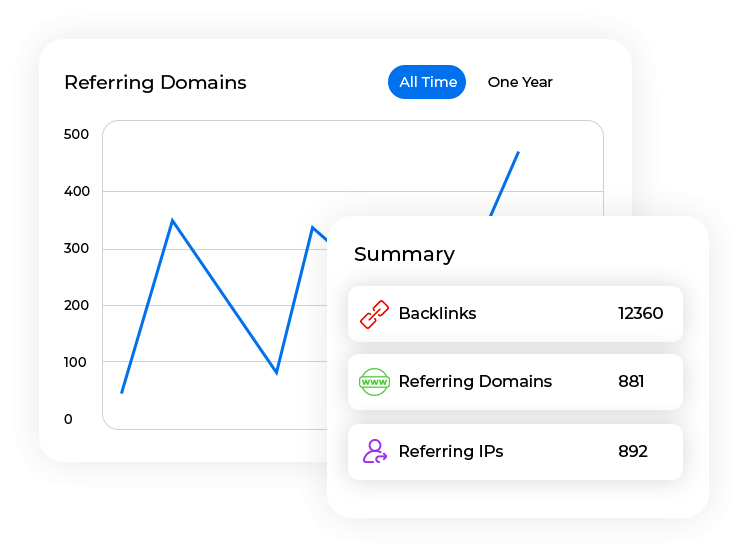
Charts, tables and historical comparisons can make changes in rankings, traffic and visibility easier to understand.
When performance data is clearly presented, marketers can identify areas that may require additional content, technical improvements or optimisation.
The ideal reporting frequency depends on the size and objectives of an SEO campaign.
Monthly reporting is commonly useful for ongoing campaigns because it provides enough time for meaningful changes to develop while allowing regular performance reviews.
Larger campaigns may benefit from more frequent monitoring, particularly when major website changes or technical issues are involved.
Regardless of frequency, reports should be consistent so that performance can be compared accurately over time.
Effective reporting requires more than collecting numbers. Several common mistakes can make reports less useful.
Avoid:
The purpose of an SEO report is to provide useful insight, not simply to display statistics.
When evaluating reporting platforms, consider the features that match your requirements.
Useful factors may include:
The right choice will depend on whether the tool is being used by an individual, an in-house marketing team or an SEO agency managing multiple websites.
Tracking SEO performance is an important part of understanding whether optimisation efforts are producing meaningful results. Rankings, organic traffic, impressions, clicks, CTR and conversions can each provide useful information when analysed together.
An SEO Reporting Tool can simplify this process by bringing important performance data into organised reports and dashboards. By monitoring trends consistently, comparing relevant time periods and focusing on meaningful metrics, businesses and SEO professionals can gain a clearer understanding of organic growth.
Rather than treating SEO reporting as a final step in a campaign, regular performance tracking can become an ongoing part of the optimisation process. This allows teams to identify changes, investigate opportunities and make informed decisions based on measurable search performance.